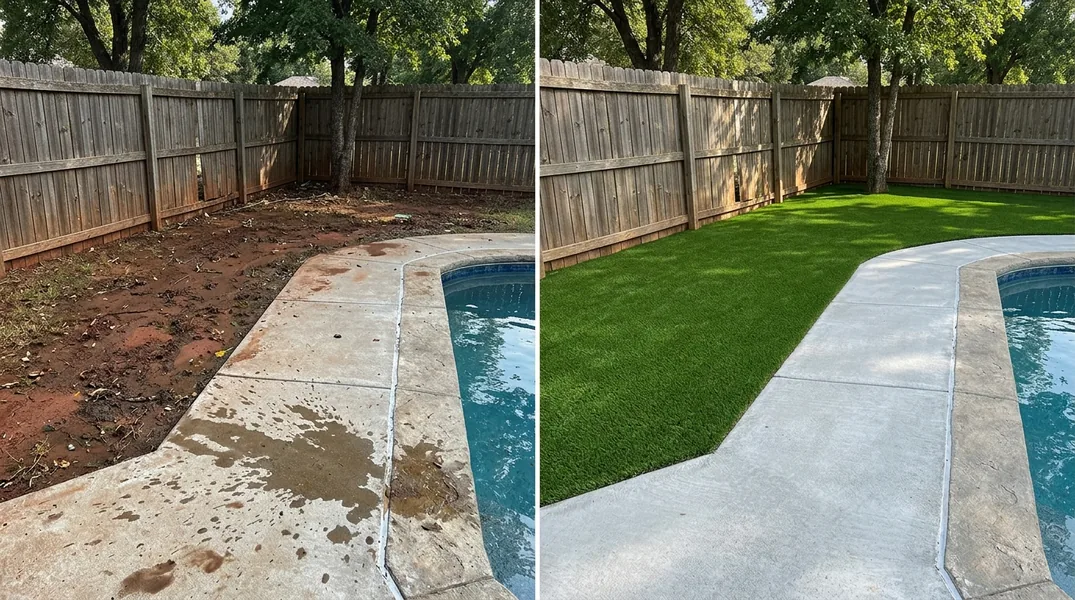
Understanding HOA Restrictions on Artificial Grass in Tulsa
If you live in a homeowners association community in Tulsa, you're likely familiar with the rules that govern everything from exterior paint colors to landscaping choices. Artificial grass has become increasingly popular among homeowners seeking low-maintenance alternatives to natural lawns, but many HOAs maintain specific guidelines about what materials and installations are permitted on your property. Understanding these restrictions before you invest in Residential Artificial Grass Installation can save you time, money, and potential conflicts with your community board.
HOA covenants, conditions, and restrictions (CC&Rs) typically address landscaping because the board wants to maintain consistent aesthetic standards throughout the community. Some Broken Arrow and Owasso associations have blanket prohibitions on artificial turf, while others allow it with specific approval. The key is to review your community's governing documents and contact your HOA management company before moving forward with any landscape project. This proactive approach prevents costly removals and ensures your investment is protected from the start.
What Your HOA Documents Say About Front Yard Artificial Grass
Your HOA's CC&Rs and architectural guidelines are the foundation of all landscaping rules. Front yards are particularly regulated because they're visible to the entire community and directly impact curb appeal. Some associations explicitly prohibit artificial turf, citing concerns about water conservation messaging, neighborhood character, or maintenance standards. Others may allow it but require it to meet specific quality standards, such as realistic appearance, proper drainage, or UV-resistant materials that won't fade or deteriorate quickly.
Many HOAs in Oklahoma communities have updated their guidelines in recent years to reflect the growing acceptance of high-quality artificial grass. However, language matters significantly. A rule that says 'no artificial materials' is different from one that says 'landscaping must be well-maintained and natural in appearance.' The latter may allow premium artificial grass that closely mimics real turf, while the former could be interpreted as an outright ban. Carefully review every section of your governing documents related to landscaping, exterior modifications, and architectural standards. If the language is ambiguous, request written clarification from your HOA board before proceeding with plans or submittals.
The Submittal and Approval Process for HOA Artificial Grass Projects
Most HOAs require homeowners to submit an architectural request or modification application before beginning any exterior work, including artificial grass installation. This process typically involves completing a form, providing detailed plans or photos of your proposed project, and sometimes paying a small review fee. The board then evaluates your submittal against community standards and either approves, conditionally approves, or denies your request. This formal process exists to protect property values and maintain consistency, so treating it seriously and providing thorough documentation significantly improves your chances of approval.
When preparing your submittal, include high-quality photos of the existing landscape, detailed specifications of the artificial grass you plan to install (brand, color, pile height, drainage system), and professional renderings or mockups showing how the finished project will look. Many HOAs appreciate when homeowners demonstrate that they've selected premium materials that will enhance the neighborhood rather than detract from it. Include information about the installation timeline, contractor qualifications, and any measures you'll take to minimize disruption to neighbors. Some associations want to see samples of the turf material itself, so ask your HOA management company what documentation they require before you invest time in a detailed submittal.
Common HOA Concerns About Artificial Turf and How to Address Them
HOA boards often raise legitimate concerns about artificial grass installations, and understanding these objections helps you prepare a stronger case for approval. One common worry is that low-quality artificial turf can look plastic and unnatural, potentially lowering property values or creating an eyesore in the neighborhood. This is where your material selection matters tremendously. Premium artificial grass products designed for residential use feature realistic color variations, natural-looking blade shapes, and proper weight distribution that mimics real grass movement. Providing samples and photos of comparable installations in other communities can reassure your HOA that you're committed to a high-quality result.
Another frequent concern involves drainage and water runoff. Some HOAs worry that artificial grass with inadequate drainage systems could create puddles, pest problems, or redirect water toward neighbors' properties. Professional installations include proper base preparation, permeability layers, and drainage channels that prevent these issues. Be prepared to explain your installation method, including soil preparation, base materials, and how water will be managed. Finally, some boards question the longevity of artificial turf or worry about replacement costs. Addressing this means discussing the typical lifespan of quality materials (usually 15 to 20 years), warranty information, and maintenance practices that extend durability. When you demonstrate that you've thought through these concerns, your HOA is more likely to view your project favorably.
Working With a Professional Installer Who Understands HOA Requirements
Partnering with an experienced Residential Artificial Grass Installation contractor who has worked with HOA communities is invaluable. These professionals understand local HOA standards, know which materials and installation methods are most likely to gain approval, and can provide documentation and references that strengthen your submittal. Tulsa Artificial Grass Installation has extensive experience navigating HOA approval processes throughout the Bixby area and surrounding communities. We can help you select materials that meet your HOA's aesthetic requirements and provide the technical documentation your board needs to feel confident about your project.
When you're ready to move forward, contact Tulsa Artificial Grass Installation at (918) 359-8874 to discuss your specific HOA situation. We'll review your community's guidelines, help you prepare a compelling submittal, and ensure your installation meets all local requirements. Getting a free estimate also gives you accurate project information to include in your HOA application, demonstrating that you've thoroughly planned your investment. Our team has successfully completed numerous projects in HOA-governed communities, and we understand how to communicate with boards to achieve approvals that benefit both you and your neighborhood.
Timeline Expectations and Next Steps After Approval
Understanding the approval timeline helps you plan your project effectively. Most HOA boards meet monthly, so if you submit your application early in the month, you might receive a decision within 4 to 6 weeks. Some boards have expedited review processes for straightforward requests, while others require multiple meetings or additional information before making a decision. Factor this timeline into your planning, especially if you're hoping to complete your landscaping project before a specific season or event. Maintaining open communication with your HOA management company throughout the process keeps things moving smoothly and allows you to address any concerns promptly.
Once you receive approval, you're free to move forward with your installation. Coordinate with your contractor to schedule the work at a time convenient for you and your neighbors. After installation is complete, some HOAs require a final inspection to confirm the work meets the approved plans and community standards. Keeping documentation of your project, including before and after photos and any warranties on materials and installation, protects your investment and provides evidence of compliance if questions ever arise. If you haven't already connected with a contractor, now is the time to reach out. Call (918) 359-8874 or visit https://tulsa-artificial-grass.com to discuss your approved project and get started on transforming your front yard into a beautiful, low-maintenance landscape that your HOA and neighbors will appreciate.
Looking for a professional artificial grass installation company in Tulsa? Tulsa Artificial Grass Installation responds fast for all your artificial grass installation needs.
Get a Free Quote